



Yes, many renters in this part of northwest San Antonio can reach the University of Texas at San Antonio by VIA Metropolitan Transit rather than driving. The key point is that Oaks at La Cantera sits in the La Cantera area near UTSA, so public transit is a realistic option to investigate, but the exact trip depends on which campus destination you need, which nearby stop you use, and when your class or workday starts.
If you are asking, Can I take public transit from Oaks at La Cantera to UTSA, the practical answer is usually yes, with verification needed before you sign a lease or commit to a semester routine. VIA route maps, stop locations, and trip planners are the best way to confirm the current walk segment, transfer requirements, and first and last trip times for your specific day.
What to check before you count on the UTSA commute
Start by identifying your actual destination at UTSA, because “UTSA” can mean different places in daily life. Most riders mean the Main Campus on the northwest side of San Antonio, but your day could center on a specific building, parking area, shuttle connection, or an off-campus stop near campus housing, so the last part of the trip matters as much as the bus ride itself.
Next, confirm the nearest usable VIA stop from 15726 Chase Hill Blvd rather than assuming every nearby street has the same access. Apartment communities can be close to transit in a general sense while still requiring a different walking route depending on gates, sidewalks, lighting, and where the stop sits relative to your building. A map view and a practice trip are more reliable than looking only at a broad neighborhood map.
It is also important to check whether your trip is direct or requires a transfer. A one-seat ride can feel manageable even if it is not especially fast, while a transfer adds another moving piece, especially if your class starts early, ends late, or meets only a few times a week. A route that works well at midday may not be the same route you would use for an 8 a.m. class or an evening lab.
Finally, verify service frequency and span, not just whether a route exists. Students often focus on the fact that transit is available, but the real decision usually comes down to whether buses run often enough to make a missed trip manageable and whether the schedule lines up with finals, study sessions, part-time jobs, or campus events that end after dark.
How the La Cantera and UTSA area affects the trip in real life
The La Cantera and UTSA area is one of the more institutionally connected parts of northwest San Antonio, with major destinations clustered near one another, including UTSA, retail, employment centers, and major roads. That makes transit more plausible here than in many purely residential areas at the edge of a metro, because the street network serves several high-demand destinations rather than a single isolated one.
At the same time, this is still a car-oriented part of San Antonio in its street design. Even when transit is available, your daily experience may be shaped by long intersections, heat, weather exposure, and the quality of the pedestrian path between the apartment and the bus stop. For some renters, the deciding factor is not the in-vehicle ride but whether the walk feels reasonable several days a week.
UTSA itself is a large destination, and campus access can be easier by transit than campus parking on some days, especially if you dislike hunting for a space or paying for parking permissions. For a student whose day is centered on the Main Campus and follows a consistent schedule, a predictable transit routine can be easier to manage than driving every day, even if it takes more planning upfront.
On the other hand, transit becomes less forgiving if your schedule changes often or if you need to carry lab materials, sports equipment, or several bags. In those cases, the difference between a short drive and a multi-part transit trip may matter more than the general fact that the property area has access to public transportation.
How Oaks at La Cantera fits that decision
For this specific question, the most relevant property fact is that Oaks at La Cantera lists public transportation among its community amenities. That is useful as a starting signal that transit access is part of the location profile, but it should not replace stop-by-stop verification through VIA’s current system map and trip planner.
The property’s location on Chase Hill Boulevard places it in the broader UTSA and La Cantera corridor, which is the main reason this question comes up at all. If you expect to rely on transit regularly, ask the leasing team to identify the pedestrian exit residents actually use to reach nearby streets, then compare that path with the stop you would use most often for campus. That gives you a more realistic picture than measuring from the front office alone.
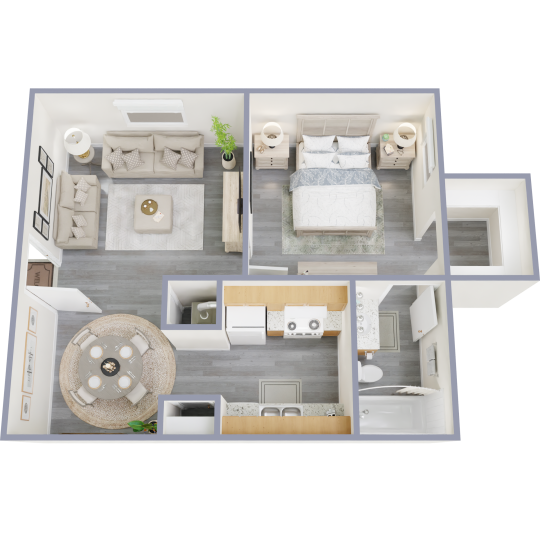
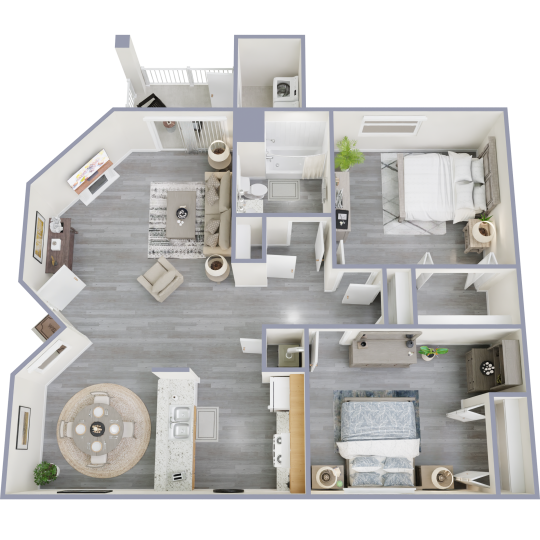
Apartment layout can matter too, but only indirectly. If you are balancing school and commuting, a one-bedroom or two-bedroom setup may affect how much flexibility you have for a roommate arrangement, shared rides on days when transit does not line up, or keeping a quieter study area at home. If in-unit laundry matters to your weekly schedule, note that washer and dryer connections are available in select homes and should be confirmed for the specific apartment.
A good next step is simple: build a sample VIA trip from the property address to your actual UTSA destination for the days and times you would travel most, then visit the community and walk the route to the stop yourself. If that test feels workable, ask Oaks at La Cantera about the best resident access point for transit users before making your final decision.